
- Cold Basement?
We Insulate It the Right Way for Wisconsin
Closed-cell foam sprayed directly on your foundation wall and rim joist – the method building scientists recommend for below-grade walls.
Free · No obligation

Get your free estimate
No pressure. No sales script. Just Erik and real numbers.
- Veteran Owned & Operated
- $750** Military Discount
- Lifetime Transferable Warranty
- Focus on Energy® Trade Ally
- Serving Southeast Wisconsin
**Discounts apply to whole-home projects with a minimum job size of $5,000. One discount per household.
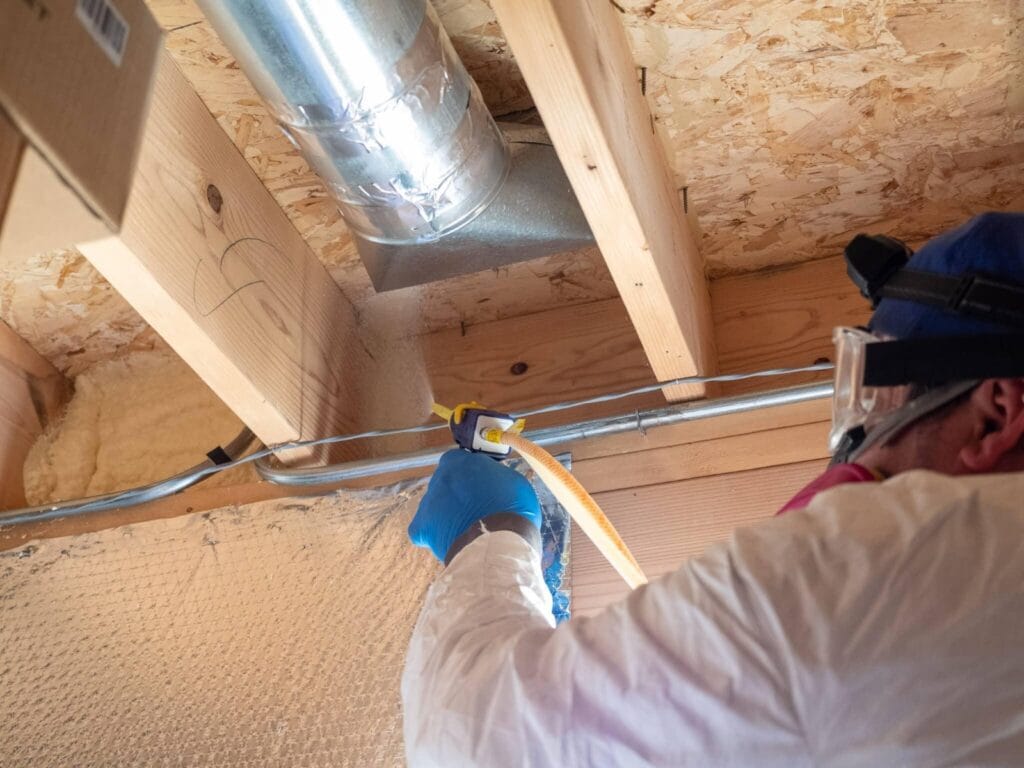
Why Basements Are Cold and Damp
Basements have a different insulation problem than the rest of your home. Bare concrete or block foundation walls can stay cold, while the rim joist gap where your home’s framing sits on the foundation can allow cold air and drafts into the space.
Below-ground foundation walls also deal with moisture for much of the year. That means basement insulation needs to do more than slow down heat loss — it needs to work with the moisture conditions found below grade.
Why Closed-Cell Foam, Not Batts or Open-Cell?
Closed-cell foam bonds directly to concrete and block, helping create a continuous layer of insulation against the foundation wall. Unlike fiberglass batts, it does not absorb water, making it better suited to the conditions found in basements.
At 2 inches thick, closed-cell foam also acts as its own vapor barrier. That helps avoid creating a moisture trap between insulation and the foundation wall.
Two Fixes. One Visit.
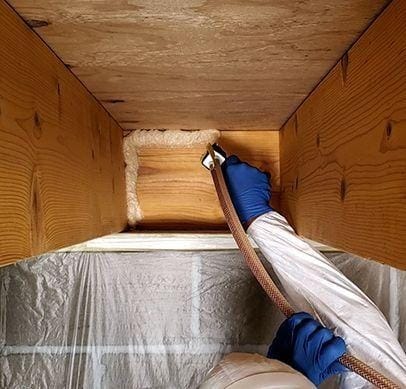
We insulate the foundation walls and the rim joist / box sill together, addressing two major areas where your basement can lose heat and allow drafts.
If old fiberglass insulation is already in place, we remove it before installing the foam. The foam also helps seal the gaps and openings that mice and other pests can use to get into your home.
Rebates & Discounts
We are a Focus on Energy Trade Ally, and qualifying insulation projects may be eligible for Focus on Energy rebates.
We also offer discounts for veterans and active-duty military, first responders, teachers, homeowners age 60+, and friends & family.
Discounts are limited to one per household and apply to whole-home projects with a minimum job size of $5,000.
- FAQ
Frequently Asked Questions
Can you do it if my basement is finished?
Sometimes. We assess the finished basement first and check the foundation for moisture before recommending any work. The best approach depends on how the basement was constructed and what access is available.
Will this help with moisture?
Closed-cell foam does not absorb water and is well suited to below-grade applications. However, insulation is not a substitute for fixing an active water intrusion or foundation drainage problem. We’ll assess the conditions before recommending insulation.
How long does it take?
The time required depends on the size of your basement, the existing insulation, and the amount of preparation needed. We’ll give you a more accurate timeline after evaluating the space.
What does it cost?
The cost depends on the size of the basement, foundation type, existing insulation, accessibility, and the amount of foam required.